
Celebrating Asian American and Pacific Islander Heritage Month
Articles, From Our Kitchen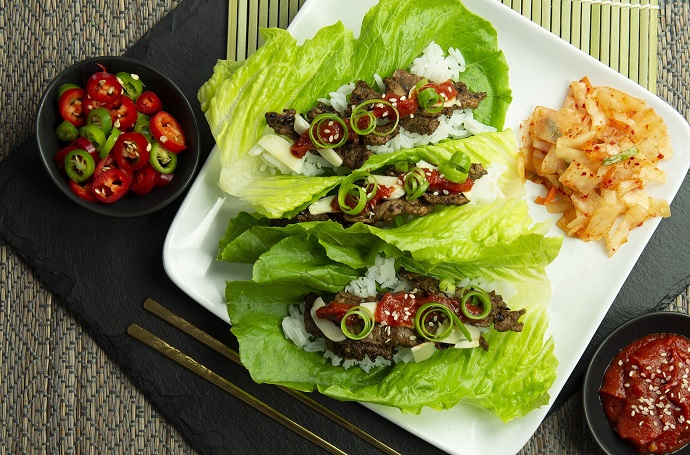
May is Asian American and Pacific Islander Heritage Month, which celebrates the rich cultures, traditions, histories, and contributions of Asian Americans and Pacific Islanders throughout the history of the United States. As a dining services provider, our celebration revolves around food, so it’s only natural to highlight this month through that lens. Let’s take a look at some of today’s notable Asian American and Pacific Islander chefs and their culinary contributions and achievements. Filipino American chef Cristeta Comerford was...
SAGE’s Commitment to Sustainability
Sustainability, Articles, U+SAGE
At SAGE, we partner with the schools and communities we serve to make environmentally responsible choices and develop innovative solutions that have a positive impact on people and the planet. A large part of our effort to practice sustainability includes minimizing food waste. Doing so will help preserve the land, water, labor, energy, and money needed to produce, prepare, and discard food. To help reduce food waste, we cook in small batches and use seasonal and locally sourced ingredients as...
Celebrating Black History Month
Articles
February is Black History Month, which honors the accomplishments, cultures, contributions, and history that the Black community has made in shaping the United States and Canada. To celebrate Black History Month, we’re highlighting a few renowned Black chefs from the U.S. and Canada who’ve made a powerful impact in the culinary world, as well as featuring a recipe inspired by Zoe Adjonyoh Patrick Clark was a trailblazer in American fine dining and one of the first Black chefs...
SAGE’s Commitment to Sustainability
Sustainability, Articles, U+SAGEAt SAGE, we partner with the schools and communities we serve to make environmentally responsible choices and develop innovative solutions that have a positive impact on people and the planet. A large part of our effort to practice sustainability includes minimizing food waste. Doing so will help preserve the land, water, labor, energy, and money needed to produce, prepare, and discard food. To help reduce food waste, we cook in small batches and use seasonal and locally sourced ingredients as...
Celebrating Black History Month
ArticlesFebruary is Black History Month, which honors the accomplishments, cultures, contributions, and history that the Black community has made in shaping the United States and Canada. To celebrate Black History Month, we’re highlighting a few renowned Black chefs from the U.S. and Canada who’ve made a powerful impact in the culinary world, as well as featuring a recipe inspired by Zoe Adjonyoh. Michael W. Twitty, a food writer and culinary historian, centers his work around “culinary justice” — honoring...
Celebrating Asian American and Pacific Islander Heritage Month
Articles, From Our KitchenMay is Asian American and Pacific Islander Heritage Month, which celebrates the rich cultures, traditions, histories, and contributions of Asian Americans and Pacific Islanders throughout the history of the United States. As a dining services provider, our celebration revolves around food, so it’s only natural to highlight this month through that lens. Let’s take a look at some of today’s notable Asian American and Pacific Islander chefs and their culinary contributions and achievements. Chef Cristeta Comerford is in charge of...
Celebrating Arab American Heritage Month
Articles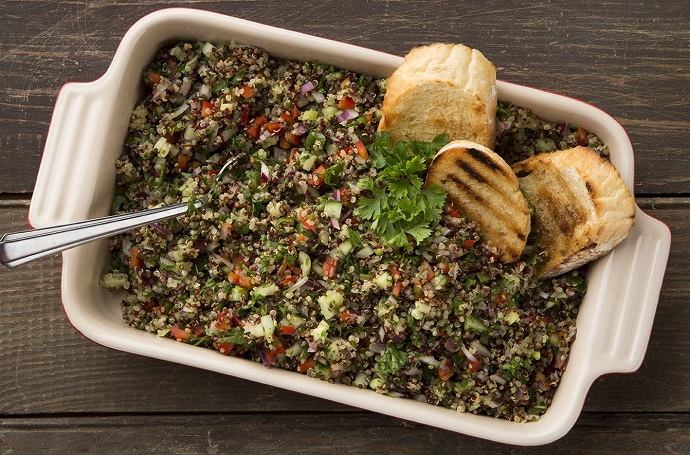
Arab American Heritage Month is observed in April to recognize and celebrate the contributions of Arab Americans to the United States and to raise awareness about Arab American culture, history, and heritage. The heritage month’s origins can be traced back to 2017 with an initiative by the nonprofit organization Arab American Foundation and its sister organization Arab America. According to the 2020 U.S. census, there are about 3.5 million people in the country who reported Middle Eastern and...
12 Food Trends for 2024
Articles
As we welcome the new year, SAGE’s Director of Menu Development Rob Coutu shares 12 food trends you may see throughout 2024. Comfort Food Fusion Comfort foods are getting an elevated, creative twist. Combining two types of mouthwatering comfort foods will be a hit in 2024. Think: cheeseburger quesadillas, pizza pot pie, carbonara ramen, and more! 2024 is Heating Up You’ll see heat being used in complex ways this year, including chile peppers in desserts, drinks, and even ice cream...

About Us

At SAGE Dining Services®, our unparalleled expertise in nutrition, sustainability, and culinary trends produces exceptional dining experiences that delight the senses, inspire minds, and foster community.